When I first left the United States earlier this year, I had no idea that returning would turn into a race against time — or that it would cost me a staggering $8,000 just to make it back. The reason? Fear of a looming visa deadline under the Trump administration that threatened to disrupt my legal status and future.
A Trip Meant for Family and Rest
I had traveled overseas to visit family, recharge, and prepare for the next phase of my career. Like many international workers and students in the US, I carefully planned my stay within the boundaries of my visa. My return ticket was scheduled for a later date, perfectly within the rules — or so I thought.

Then news began to circulate: the Trump administration was tightening visa regulations and enforcing stricter reentry deadlines. Immigration lawyers warned that even minor technicalities could result in people being denied boarding or blocked at airports.
Suddenly, what had started as a peaceful family visit turned into a stressful countdown.
The Fear of Being Shut Out
The message from peers, online forums, and even immigration consultants was clear: don’t risk waiting until the last day. Rumors spread of travelers being held up for additional questioning, denied reentry, or forced into lengthy secondary inspections.
For me, the worst-case scenario wasn’t just missing a flight — it was being stranded outside the United States, unable to return to my job, apartment, and life I had built.
That fear made my decision for me: I had to leave immediately.
The High Price of a Last-Minute Escape
Unfortunately, leaving “immediately” came with a huge financial burden. With airlines already packed due to high travel demand, I had no choice but to book a last-minute one-way ticket. The cost? Just over $5,200.
On top of that, I had to pay for visa-related documentation, luggage fees, emergency COVID tests, airport transfers, and travel insurance. All told, the journey back to the US ended up costing nearly $8,000 — an amount I had never expected to spend in such a short time.
For context, that’s several months of rent, tuition fees for a semester, or even a down payment on a car. But in the moment, it felt like the only choice: pay now, or risk losing everything.
Emotional Toll Alongside Financial Stress
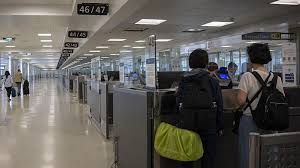
Beyond the money, the mental and emotional stress was enormous. Every airport line, every immigration counter felt like a potential obstacle. Would my paperwork be accepted? Would new rules suddenly appear at the border?
The exhaustion wasn’t just physical. It was the constant anxiety of knowing that policy changes — many announced with little warning — could alter my life overnight.
A Broader Reality for Immigrants
My story isn’t unique. Thousands of international students, workers, and families have faced similar situations under changing immigration policies. The uncertainty has created an atmosphere where people feel pressured to make rushed, expensive decisions just to maintain their legal standing.
Immigration advocates argue that these unpredictable shifts harm not only individuals but also businesses, universities, and communities that rely on international talent. For many, the United States is a place of opportunity, but that opportunity often comes at a steep financial and emotional price.
Looking Back at the $8,000 Lesson
Now that I am back in the US, I can finally breathe — but the experience left me with a painful lesson: uncertainty in immigration policy is costly. It doesn’t just affect government statistics; it affects real people who are forced to spend life savings on last-minute decisions.
While I am grateful to have made it back, I can’t ignore the fact that $8,000 vanished in just a few days. The money I had hoped to use for education, savings, or helping my family is gone — sacrificed to the unpredictability of visa rules.
What Comes Next
As the debate over immigration continues, I hope stories like mine highlight the human cost behind political decisions. It’s not just about visas and deadlines; it’s about people who build lives, careers, and families in the US — and who sometimes pay more than they can afford just to stay.
Until the system becomes clearer and fairer, travelers like me will continue to live with the same fear: one sudden rule change could cost another $8,000, or worse, shut the door completely.