The Great Wall of China is one of the greatest sights in the world — the longest wall in the world, an awe-inspiring feat of ancient defensive architecture. Its winding path over a rugged country and steep mountains take in some great scenery.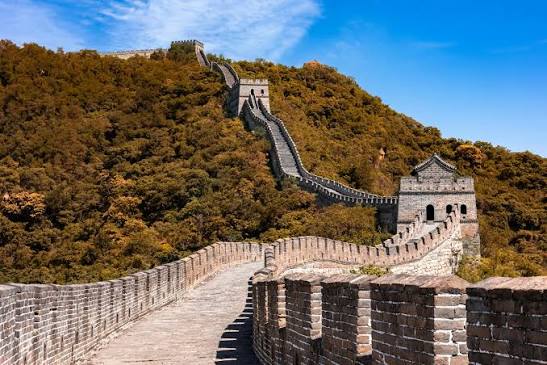
Length of the Great Wall of China
The length of the Great Wall of China is 21,196.18 km (13,170.7 mi), half the equator!. The data came from the State Administration of Cultural Heritage. In 2009, the State Administration of Cultural Heritage first published data on the Ming Dynasty Great Wall, which measured 8,851 kilometers (5499 miles).
History of the Great Wall of China
The Great Wall of China has a history of more than 2,300 years. The Great Wall of China’s history began in the Spring and Autumn Period (770–476 BC) and was last rebuilt as a defense in the Ming Dynasty (1368–1644).
Early Origins (771–221 BCE)
- Divided States: During the Spring and Autumn (771–476 BC) and Warring States (475–221 BC) periods, individual Chinese kingdoms built localized walls.
- Purpose: These early structures protected rival states from both neighboring human enemies and nomadic tribes from the north.
- Materials: Builders used packed or rammed earth and gravel mixed with local materials like reeds and wood.
The Qin Dynasty Unification (221–206 BCE)
- First Emperor: Emperor Qin Shi Huang conquered the rival states and united China into a single empire.
- Connecting Sections: He ordered the destruction of inner walls that divided the old kingdoms and commanded the linking and extension of northern walls.
.
- Labor Force: Hundreds of thousands of soldiers, convicts, and commoners built the continuous rammed-earth barrier under harsh conditions.
Expansion Through Later Dynasties (202 BCE–1368 CE)
- Han Dynasty (202 BC–220 AD): Extended the wall far to the west into the desert to protect the trade routes of the Silk Road.
- Northern Qi and Sui Dynasties: Rebuilt and expanded hundreds of miles of fortifications to fend off northern tribes.
- Tang and Song Dynasties: Lost strategic focus on the wall as borders shifted or as ruling groups controlled territories on both sides of the frontier.
The Ming Dynasty Masterpiece (1368–1644 CE)
- Stone Construction: The Ming Dynasty built the most famous and well-preserved sections of the wall seen today.
- Advanced Engineering: Workers replaced older rammed earth with heavy stone bricks and quarried granite blocks.
- Watchtowers: Engineers added roughly 25,000 watchtowers and beacon systems using smoke signals and drums for rapid communication.
Modern Era
- Decline: The wall lost its military value in the 17th century when the Manchu conquered China from beyond the northern frontier.
- Preservation: Parts of the structure eroded or suffered damage from weather and human activity, but surviving segments became a protected UNESCO World Heritage Site and a global landmark
Speciality about the Great Wall of China
The Great Wall of China is special because it is the longest man-made structure in the world, spanning over 21,000 kilometers (13,170 miles) across northern China.
It stretches from Shanhaiguan in the east to Jiayuguan in the west, winding across mountains, deserts, and plateaus like a giant dragon. It was not built all at once. Construction started around the 7th century BC and continued for more than 2,000 years across multiple dynasties, including the Qin and Ming dynasties.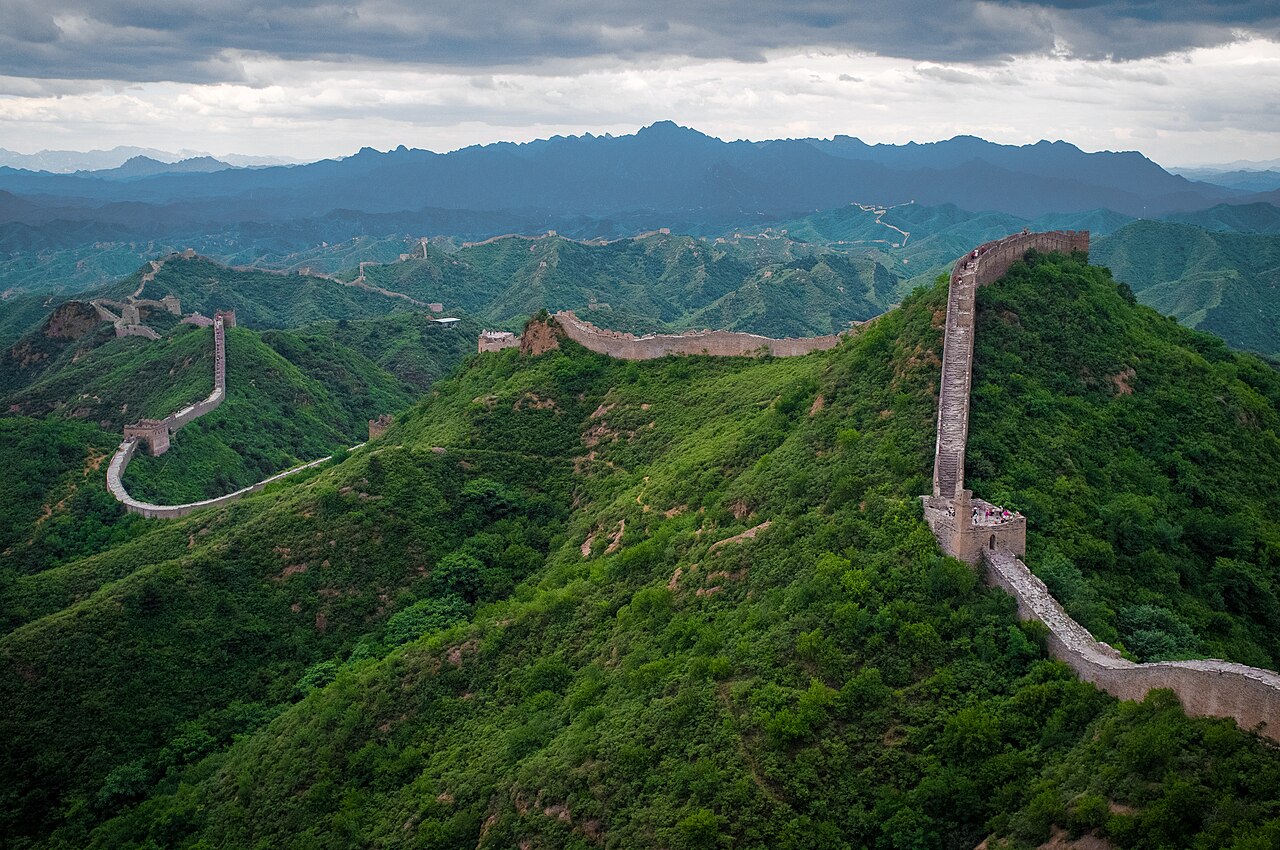
Great Wall Tourism
“He who has not climbed the Great Wall is not a true man!”, as what was said by China’s first Chairman Mao Zedong, the Great Wall should be on every traveler’s bucket list. This China’s greatest engineering triumph, made from brick, stone, tamped earth and wood, is a direct link with legendary dynasties of China’s past as there were continuous ancient dynasties invested unquantifiable labour and material resources to construct and reconstruct the Great Wall. Nowadays, you can still see there are more than 5,500 miles of the Great Wall snaking its way over the perched mountainsides from the gobi desert in northwestern China to the sea coast of far eastern China. Beijing, the capital city, possesses about 573km (356 miles) of the Great Wall including the world famous Badaling, Mutianyu, Jiankou, etc., stretching alone the steep peaks and hills at its remote northern districts. You can easily plan a satisfied day trip to the closer sections of the Great Wall from Beijing. But for those who want to explore, it’s available to hike, bike even camp on some sections.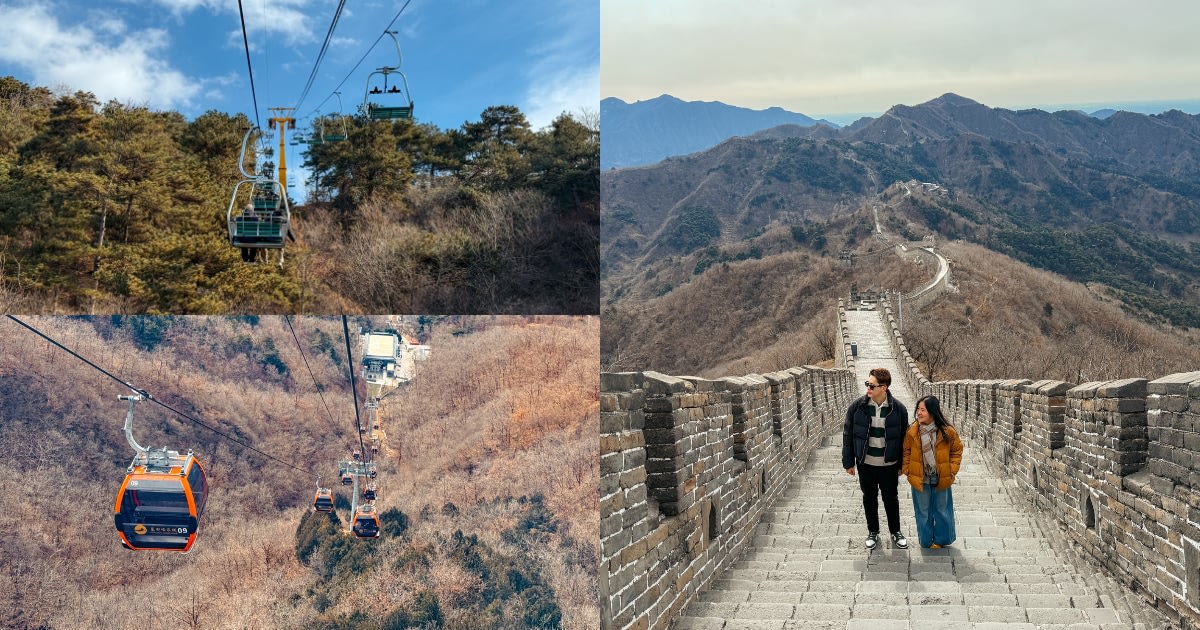
Great Wall of China – One of the 7 Wonders of the World
The Great Wall of China is titled one of the “New 7 Wonders of the World,” and it is also included in the “Seven Wonders of the Medieval World”. Both of the two honors indicate how the monument has greatly influenced human civilization and world history.