The Amazon: A Vital Ecosystem for the Planet
The Amazon is one of the largest and most important ecosystems on Earth. The vast Amazon biome stretches across eight rapidly developing countries—Brazil, Bolivia, Peru, Ecuador, Colombia, Venezuela, Guyana, and Suriname—as well as French Guiana, an overseas territory of France.
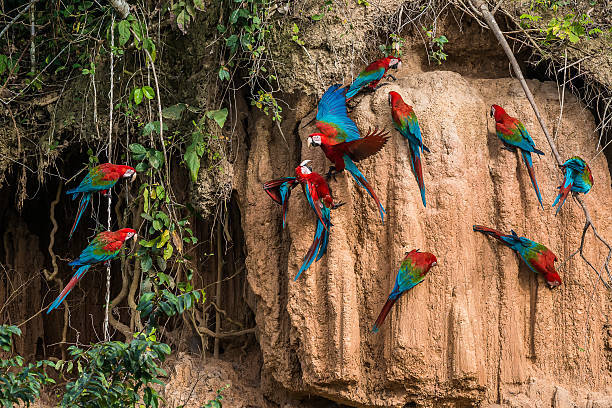
The Amazon at a Glance
The Amazon biome is home to an extraordinary variety of life and natural resources. It contains:
- Approximately one in every 10 known species on Earth
- Around 2.2 million square miles of dense rainforest
- Nearly 20% of the world’s liquid freshwater
- An Amazon Basin covering about 2.7 million square miles, representing roughly 40% of South America and about two-thirds the size of the United States
Why the Amazon Matters
The health of the Amazon is closely connected to the health of the planet. Its rainforests store an estimated 150–200 billion tons of carbon, helping regulate both local and global climate conditions.
The forest also plays a crucial role in the planet’s water cycle. Through the release of moisture into the atmosphere, the Amazon helps generate clouds and rainfall, influencing weather patterns far beyond South America.
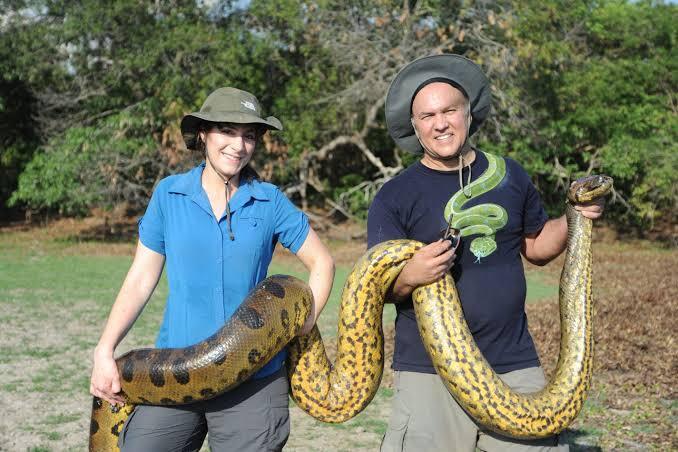
Deforestation and Climate Change
Deforestation poses a serious threat to the Amazon and the global environment. When people cleared or damaged, large amounts of forest then there will be carbon dioxide into the atmosphere, contributing to global warming.
Climate change, in turn, places additional pressure on the Amazon. Longer dry seasons and declining rainfall can make forests increasingly vulnerable to drought and wildfires, creating a cycle that can further accelerate forest degradation.
The Growing Threat to the Amazon
Approximately 17% of the Amazon biome’s total forest area has already been deforested, while about one-third of the remaining forest is now at the level of degradation.
Extreme droughts are among the factors contributing to this degradation. Protecting the Amazon is therefore essential—not only for the millions of plants, animals, and people who depend on it, but also for maintaining a stable climate and healthy ecosystems around the world.